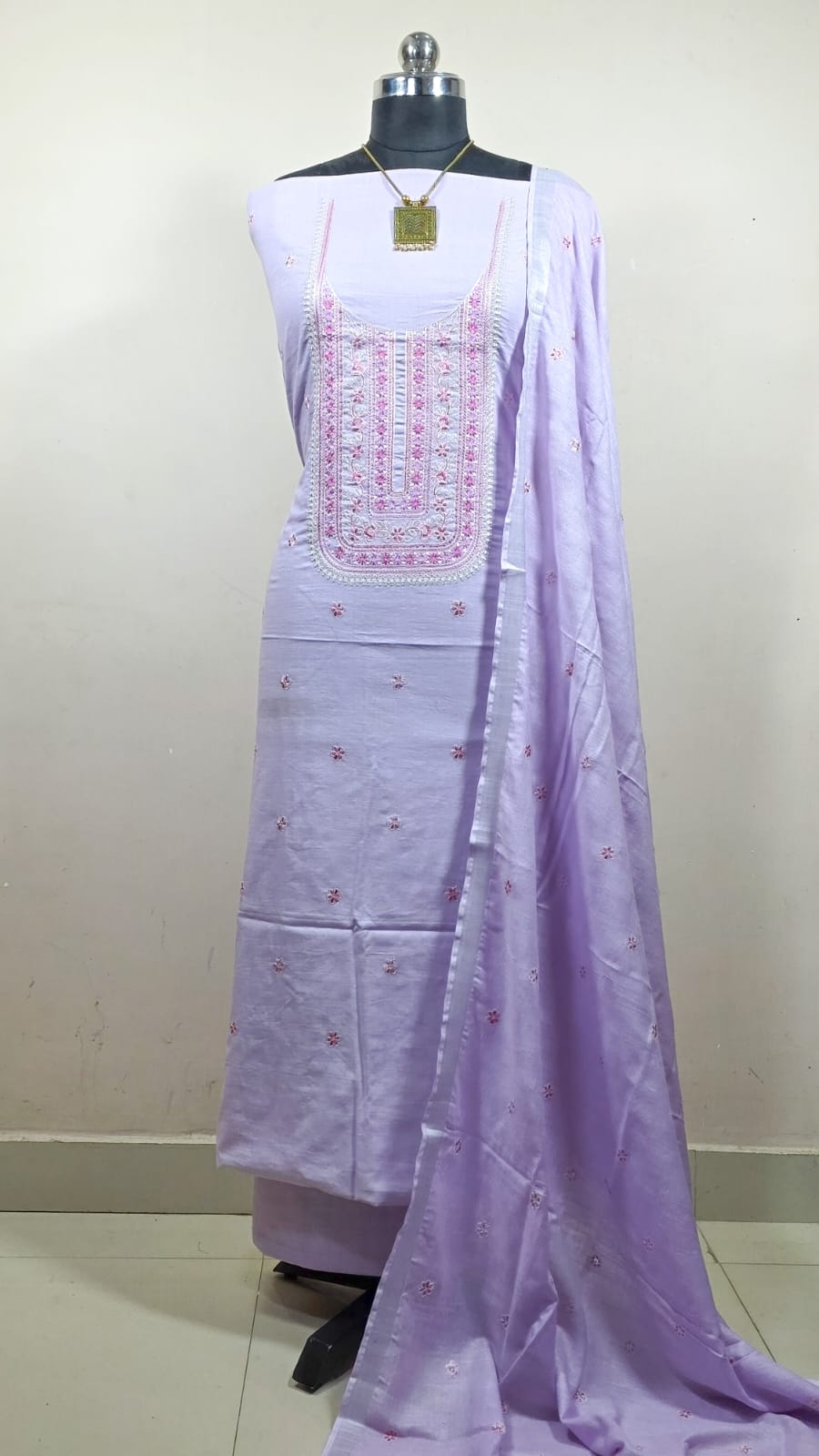
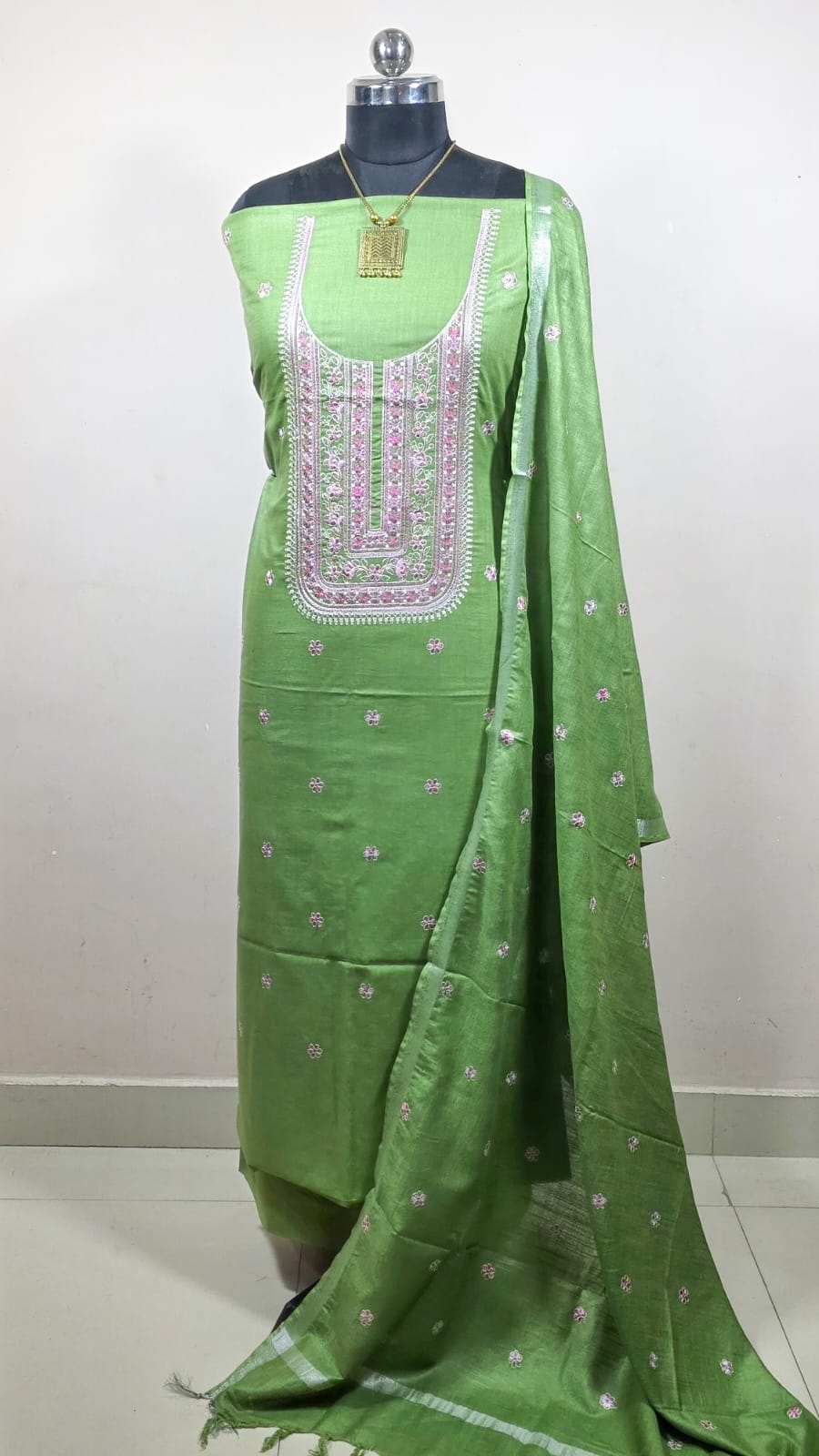
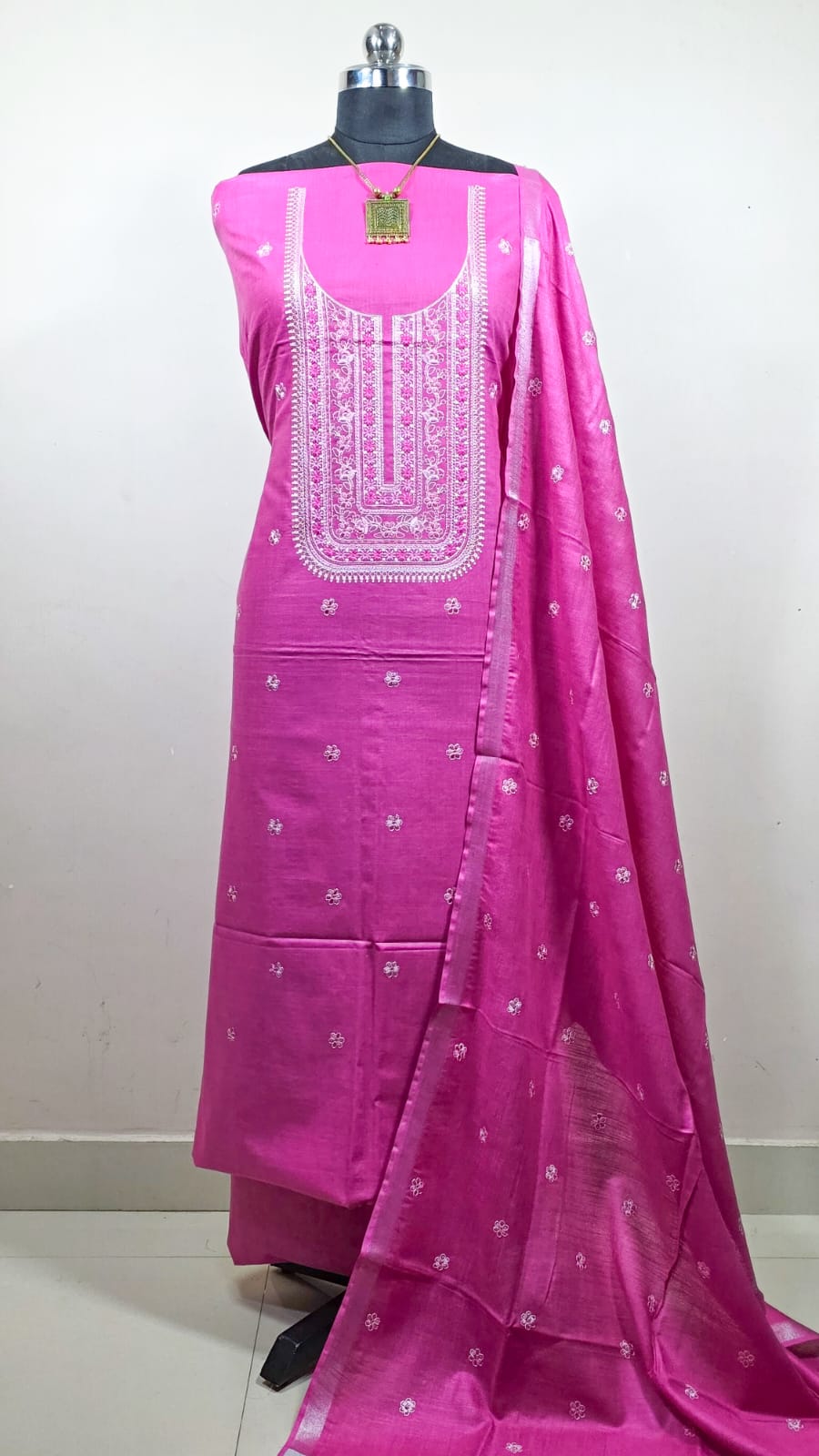
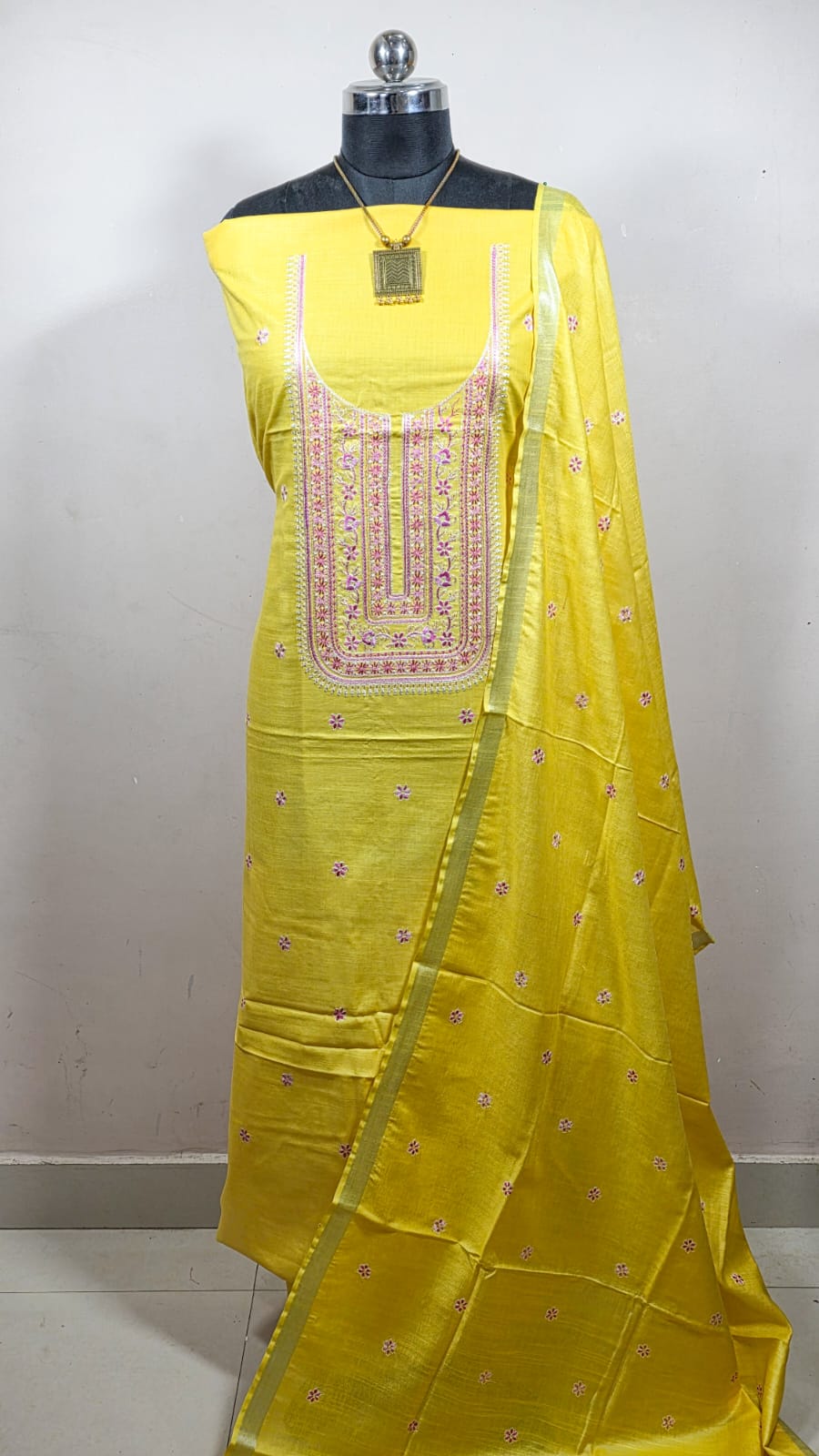
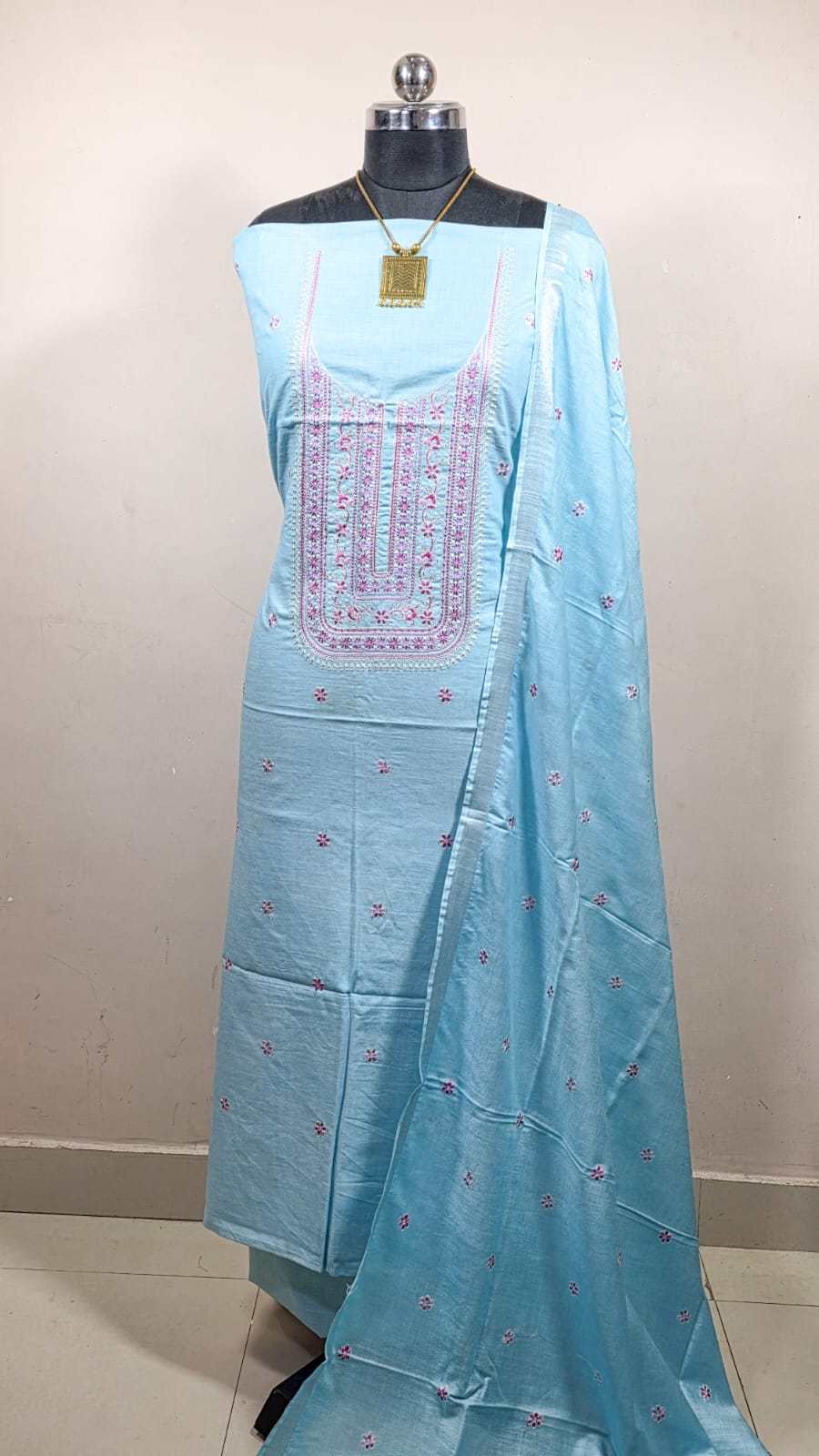
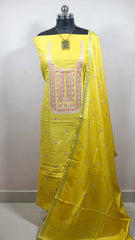
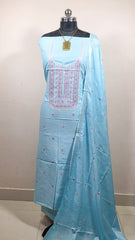
Top Fabric: Cotton Linen
Top Length: 2.5 Meter
Bottom Fabric: Cotton Linen
Bottom Length: 2.45 Meter
Dupatta Fabric: Cotton Linen
Dupatta Length: 2.45 Meter
Product Code: WT 4545 EWLCDMOrderSample
When evaluating textiles, requesting 1–5 pieces is crucial for effective verification. This limited quantity allows for a focused inspection without overwhelming the assessment process. A smaller sample set can provide insights into fabric behavior, quality, and craftsmanship, all of which are essential before committing to a larger minimum order quantity. It also minimizes financial risk and supports better decision-making. Ultimately, this practice ensures that the fabric meets your specific standards and expectations.
During inspection, attention should be paid to weave density and dye stability. Weave density affects the fabric's strength and durability, which is vital for end-use applications. Dye stability is equally important, as it determines how well colors hold up under various conditions, including washing and exposure to light. Additionally, examining print penetration provides insights into the quality of the digital embroidery work, ensuring that vibrant colors are consistently applied. Edge finishing should also be checked to confirm that raw edges are properly treated to prevent fraying.
Natural variation is an inherent characteristic of handcrafted textiles, and it is essential to recognize this during inspection. Minor tonal differences or slight inconsistencies in embroidery may occur due to the artisanal processes involved. Understanding this concept allows for a more realistic expectation of the product’s uniqueness. It is this individuality that often enhances the value of handcrafted items, providing a story behind each piece. Buyers should be prepared for such variations while ensuring that they align with their quality standards.
Approval of the fabric samples is a critical step that directly influences the minimum order quantity process. Once you confirm the quality and suitability of the samples, you can confidently place an order for the MOQ. This connection ensures that the bulk quantities ordered will match the expected quality and characteristics observed in the samples. The decision to move forward with the MOQ should be based on a thorough analysis of the samples, allowing for a more secure investment in your inventory. This step is vital in maintaining consistency in your offerings.
Before scaling to the MOQ, clarity on GST and dispatch logistics is essential. Ensure that you are aware of any applicable taxes that may affect the overall cost. Understanding these financial aspects aids in accurate budgeting and planning for your inventory needs. Additionally, inquire about dispatch timelines to align your stock availability with market demand. Knowing the logistics involved helps in making informed decisions about bulk purchases and ensures a smoother transaction process.
After conducting a thorough inspection and receiving approval for the samples, it is important to establish a clear decision framework. Review the technical parameters, such as weave density and dye stability, alongside any noted variations. Assess these factors against your quality standards and market expectations. This evaluation should lead to a reasoned decision regarding the MOQ placement. Ensuring that all aspects are considered allows for a confident commitment to your bulk order, reducing risk and enhancing buyer satisfaction.
Requesting 1–5 pieces allows for a focused and manageable inspection. This limited quantity provides a clear representation of the fabric's quality without overwhelming the buyer. It enables a thorough assessment of key parameters such as weave density and dye stability. This method minimizes financial risk while ensuring that the fabric meets your specific standards. A smaller sample set can yield significant insights into the fabric's overall performance. To discuss specific shades or custom dispatch, WhatsApp us.
Key aspects to inspect include weave density and dye stability. Weave density impacts the fabric's strength and overall durability, which are essential for various applications. Dye stability is critical for ensuring that colors remain vibrant and consistent through wear and cleaning. Additionally, check for print penetration to evaluate the quality of the digital embroidery. Edge finishing must also be assessed to confirm that the fabric is properly treated to prevent fraying. For a final landed cost including freight, you can request a quotation.
Natural variations are common in handcrafted textiles and should be understood as part of their charm. Minor tonal differences or slight inconsistencies in the embroidery may occur due to the artisanal process. Recognizing these variations allows you to appreciate the uniqueness of each piece. It's essential to align your expectations with the nature of the product, ensuring that these variations meet your quality criteria. This awareness enhances the overall value of the handcrafted items.
Sample approval is a pivotal step that directly impacts the minimum order quantity process. Once the samples are confirmed to meet your expectations, you can confidently proceed with ordering the MOQ. This connection ensures that the bulk quantities will reflect the quality observed in the samples. A thorough analysis of the samples allows for a secure investment in your inventory, which is crucial for maintaining consistency in your offerings.
Understanding GST and dispatch logistics is vital before increasing your order quantity. Ensure you are aware of any applicable taxes that may affect the total cost of your order. This knowledge aids in accurate budgeting and planning for your inventory. Additionally, inquire about dispatch timelines so you can align stock availability with market demand. Clarity in these areas helps facilitate informed decisions about your bulk purchases.
Before finalizing a bulk order, confirm the quality parameters observed in the samples, such as weave density and dye stability. Ensure that any noted variations are acceptable for your standards. Assess these factors against your market expectations to guide your decision. This comprehensive review will help mitigate risk and enhance buyer satisfaction with your final order. A clear understanding of logistics and costs is also essential at this stage.
Shankarpur, Dist: bhagalpur, 812004 Bihar India
Packers DetailsWeave Trends (Dress Material)
Shankarpur, Dist: bhagalpur, 812004 Bihar India
Marketed By
Trend In Need
B/ 403, WaghaniVihar, MaharanaPratap Road, Narayan Nagar,
Bhayander west, 401101 THANE Maharashtra,
India.
info@trendinneed.com
+91 9511675301
Grievance Redressal
Subject:Contact Seller - Weave Trend (Dress Material)
Write To:
Trend In Need B/ 403, WaghaniVihar, MaharanaPratap Road, Narayan Nagar,
Bhayander west, 401101 THANE Maharashtra,
India.
info@trendinneed.com, +91 9511675301
Dispatch time will take 5-7 days. Estimated delivery between 19 June and 22 June. approx 12-15 days. (Customization Items may take up to 10-15 Days to dispatch).
Shankarpur, Dist: bhagalpur, 812004 Bihar India
Packers DetailsWeave Trends (Dress Material)
Shankarpur, Dist: bhagalpur, 812004 Bihar India
Marketed By
Trend In Need
B/ 403, WaghaniVihar, MaharanaPratap Road, Narayan Nagar,
Bhayander west, 401101 THANE Maharashtra,
India.
info@trendinneed.com
+91 9511675301
Grievance Redressal
Subject:Contact Seller - Weave Trend (Dress Material)
Write To:
Trend In Need B/ 403, WaghaniVihar, MaharanaPratap Road, Narayan Nagar,
Bhayander west, 401101 THANE Maharashtra,
India.
info@trendinneed.com, +91 9511675301
Delivery Time
Dispatch time will take 5-7 days. Estimated delivery between 19 June and 22 June. approx 12-15 days. (Customization Items may take up to 10-15 Days to dispatch).
Top Fabric: Cotton Linen
Top Length: 2.5 Meter
Bottom Fabric: Cotton Linen
Bottom Length: 2.45 Meter
Dupatta Fabric: Cotton Linen
Dupatta Length: 2.45 Meter
Product Code: WT 4545 EWLCDMOrderSample
When evaluating textiles, requesting 1–5 pieces is crucial for effective verification. This limited quantity allows for a focused inspection without overwhelming the assessment process. A smaller sample set can provide insights into fabric behavior, quality, and craftsmanship, all of which are essential before committing to a larger minimum order quantity. It also minimizes financial risk and supports better decision-making. Ultimately, this practice ensures that the fabric meets your specific standards and expectations.
During inspection, attention should be paid to weave density and dye stability. Weave density affects the fabric's strength and durability, which is vital for end-use applications. Dye stability is equally important, as it determines how well colors hold up under various conditions, including washing and exposure to light. Additionally, examining print penetration provides insights into the quality of the digital embroidery work, ensuring that vibrant colors are consistently applied. Edge finishing should also be checked to confirm that raw edges are properly treated to prevent fraying.
Natural variation is an inherent characteristic of handcrafted textiles, and it is essential to recognize this during inspection. Minor tonal differences or slight inconsistencies in embroidery may occur due to the artisanal processes involved. Understanding this concept allows for a more realistic expectation of the product’s uniqueness. It is this individuality that often enhances the value of handcrafted items, providing a story behind each piece. Buyers should be prepared for such variations while ensuring that they align with their quality standards.
Approval of the fabric samples is a critical step that directly influences the minimum order quantity process. Once you confirm the quality and suitability of the samples, you can confidently place an order for the MOQ. This connection ensures that the bulk quantities ordered will match the expected quality and characteristics observed in the samples. The decision to move forward with the MOQ should be based on a thorough analysis of the samples, allowing for a more secure investment in your inventory. This step is vital in maintaining consistency in your offerings.
Before scaling to the MOQ, clarity on GST and dispatch logistics is essential. Ensure that you are aware of any applicable taxes that may affect the overall cost. Understanding these financial aspects aids in accurate budgeting and planning for your inventory needs. Additionally, inquire about dispatch timelines to align your stock availability with market demand. Knowing the logistics involved helps in making informed decisions about bulk purchases and ensures a smoother transaction process.
After conducting a thorough inspection and receiving approval for the samples, it is important to establish a clear decision framework. Review the technical parameters, such as weave density and dye stability, alongside any noted variations. Assess these factors against your quality standards and market expectations. This evaluation should lead to a reasoned decision regarding the MOQ placement. Ensuring that all aspects are considered allows for a confident commitment to your bulk order, reducing risk and enhancing buyer satisfaction.
Requesting 1–5 pieces allows for a focused and manageable inspection. This limited quantity provides a clear representation of the fabric's quality without overwhelming the buyer. It enables a thorough assessment of key parameters such as weave density and dye stability. This method minimizes financial risk while ensuring that the fabric meets your specific standards. A smaller sample set can yield significant insights into the fabric's overall performance. To discuss specific shades or custom dispatch, WhatsApp us.
Key aspects to inspect include weave density and dye stability. Weave density impacts the fabric's strength and overall durability, which are essential for various applications. Dye stability is critical for ensuring that colors remain vibrant and consistent through wear and cleaning. Additionally, check for print penetration to evaluate the quality of the digital embroidery. Edge finishing must also be assessed to confirm that the fabric is properly treated to prevent fraying. For a final landed cost including freight, you can request a quotation.
Natural variations are common in handcrafted textiles and should be understood as part of their charm. Minor tonal differences or slight inconsistencies in the embroidery may occur due to the artisanal process. Recognizing these variations allows you to appreciate the uniqueness of each piece. It's essential to align your expectations with the nature of the product, ensuring that these variations meet your quality criteria. This awareness enhances the overall value of the handcrafted items.
Sample approval is a pivotal step that directly impacts the minimum order quantity process. Once the samples are confirmed to meet your expectations, you can confidently proceed with ordering the MOQ. This connection ensures that the bulk quantities will reflect the quality observed in the samples. A thorough analysis of the samples allows for a secure investment in your inventory, which is crucial for maintaining consistency in your offerings.
Understanding GST and dispatch logistics is vital before increasing your order quantity. Ensure you are aware of any applicable taxes that may affect the total cost of your order. This knowledge aids in accurate budgeting and planning for your inventory. Additionally, inquire about dispatch timelines so you can align stock availability with market demand. Clarity in these areas helps facilitate informed decisions about your bulk purchases.
Before finalizing a bulk order, confirm the quality parameters observed in the samples, such as weave density and dye stability. Ensure that any noted variations are acceptable for your standards. Assess these factors against your market expectations to guide your decision. This comprehensive review will help mitigate risk and enhance buyer satisfaction with your final order. A clear understanding of logistics and costs is also essential at this stage.
Shankarpur, Dist: bhagalpur, 812004 Bihar India
Packers DetailsWeave Trends (Dress Material)
Shankarpur, Dist: bhagalpur, 812004 Bihar India
Marketed By
Trend In Need
B/ 403, WaghaniVihar, MaharanaPratap Road, Narayan Nagar,
Bhayander west, 401101 THANE Maharashtra,
India.
info@trendinneed.com
+91 9511675301
Grievance Redressal
Subject:Contact Seller - Weave Trend (Dress Material)
Write To:
Trend In Need B/ 403, WaghaniVihar, MaharanaPratap Road, Narayan Nagar,
Bhayander west, 401101 THANE Maharashtra,
India.
info@trendinneed.com, +91 9511675301
Thanks for subscribing!
This email has been registered!